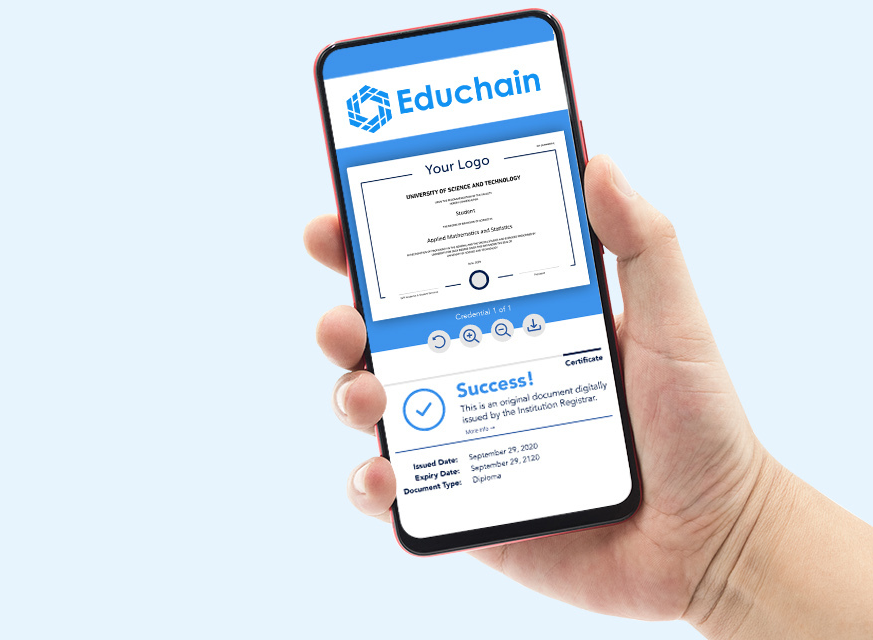

In the competitive job market, continuous learning and upskilling are essential. Traditional degrees and certifications may not always provide the most efficient or specific skills needed. Enter micro-credentials, a flexible and focused way to acquire and showcase particular skills. With the added security and transparency of blockchain technology, micro-credentials are becoming a powerful tool for individuals and organizations in the realm of document management systems.
Distinguishing Micro-Credentials, Certificates, and Badges
Micro-credentials are digital certifications highlighting a specific skill or competency. While both micro-credentials and certificates demonstrate proficiency in a specific area, the key difference is granularity. Certificates often encompass a broader range of skills and are often linked to formal education, whereas micro-credentials are more granular, focusing on specific skills and offering efficiency and cost-effectiveness. Micro-credentials and badges both represent specific skills or accomplishments, but micro-credentials tend to be more rigorous and focused, while badges encompass a wider range of achievements. These credentials can be earned through various learning opportunities, including online courses, boot camps, and workshops.
Granular Focus
Target specific skills with precision, not broad subject areas
Rigorous Validation
More comprehensive than badges, more focused than certificates
Cost-Effective
Acquire specific skills without the time and expense of full programs
Leveraging Blockchain for Micro-Credentials
Blockchain technology provides an ideal platform for securely storing and verifying micro-credentials. By harnessing the security and transparency of blockchain, micro-credentials can be stored in an immutable, tamper-proof manner, with individuals having full control over their data. Blockchain eliminates the need for intermediaries, streamlining verification and enhancing efficiency. But how does it work? When a learner earns a micro-credential, it's securely recorded on the blockchain. This information is linked to the learner's unique digital identity, allowing them to demonstrate their skills to potential employers or clients. When employers or clients receive a micro-credential, they can easily verify its authenticity by checking the blockchain.
Advantages of Blockchain Micro-Credentials
Let's delve into the benefits of using micro-credentials powered by blockchain technology:
Security
Recording micro-credentials on a blockchain adds an extra layer of security, ensuring their tamper-proof nature. Each micro-credential receives a unique digital signature stored on the blockchain, creating an immutable record of its authenticity, preventing duplication, forgery, and fraud.
Transparency
Blockchain offers a transparent and auditable way to store and verify micro-credentials, enabling easy verification of their authenticity through the blockchain record. This transparency assures that the credential is from a reliable source and hasn't been altered.
Efficiency
Storing micro-credentials on a blockchain streamlines the verification process. Since credentials are on a decentralized system, there's no need for intermediaries, saving time and resources for both learners and employers.
Flexibility
Micro-credentials provide a flexible means to gain specific skills not covered by traditional education programs. Learners can earn credentials at their own pace and schedule. By storing micro-credentials on a blockchain, learners can access and share their credentials at any time, from anywhere, demonstrating their skills to potential employers or clients.
Key Use-Cases for Blockchain Micro-Credentials
Blockchain-based micro-credentials have several primary applications:
Education and Training
Recognize specific skills and competencies acquired through non-traditional learning experiences like online courses and workshops, helping learners efficiently build knowledge and expertise when venturing into new fields or industries.
Hiring Process
Employers can use blockchain-based micro-credentials to verify potential employees' skills and competencies, streamlining the hiring process and ensuring authentic qualifications.
Professional Development
Support ongoing professional development and upskilling, enabling individuals to showcase their commitment to learning and professional growth, crucial in industries requiring continuous training.
Entrepreneurship & Freelancing
Bolster entrepreneurship and freelancing by showcasing expertise, attracting clients, and enhancing earning potential through verifiable skill demonstrations.
"Blockchain-powered micro-credentials represent a paradigm shift in how we recognize and verify skills. They offer the perfect balance between the rigor of traditional certifications and the flexibility demanded by today's rapidly evolving job market."
Conclusion
In conclusion, blockchain-powered micro-credentials offer a secure, transparent, and efficient way to recognize and certify specific skills and competencies, making them increasingly important in today's ever-changing world. As the job market continues to evolve and the demand for specific, verifiable skills grows, micro-credentials powered by blockchain technology will play an increasingly vital role in education, professional development, and career advancement.